Blockchain technology is changing how businesses create digital assets, manage transactions, and engage with online communities. From decentralized applications to digital ownership, tokens have become an important part of the Web3 ecosystem.
Businesses exploring blockchain adoption often work with a Token Development Company to create digital tokens with specific functionality, blockchain compatibility, and security requirements.
What Is Custom Token Development?
Custom token development involves creating blockchain-based digital assets that serve a defined purpose within an application, platform, or business ecosystem.
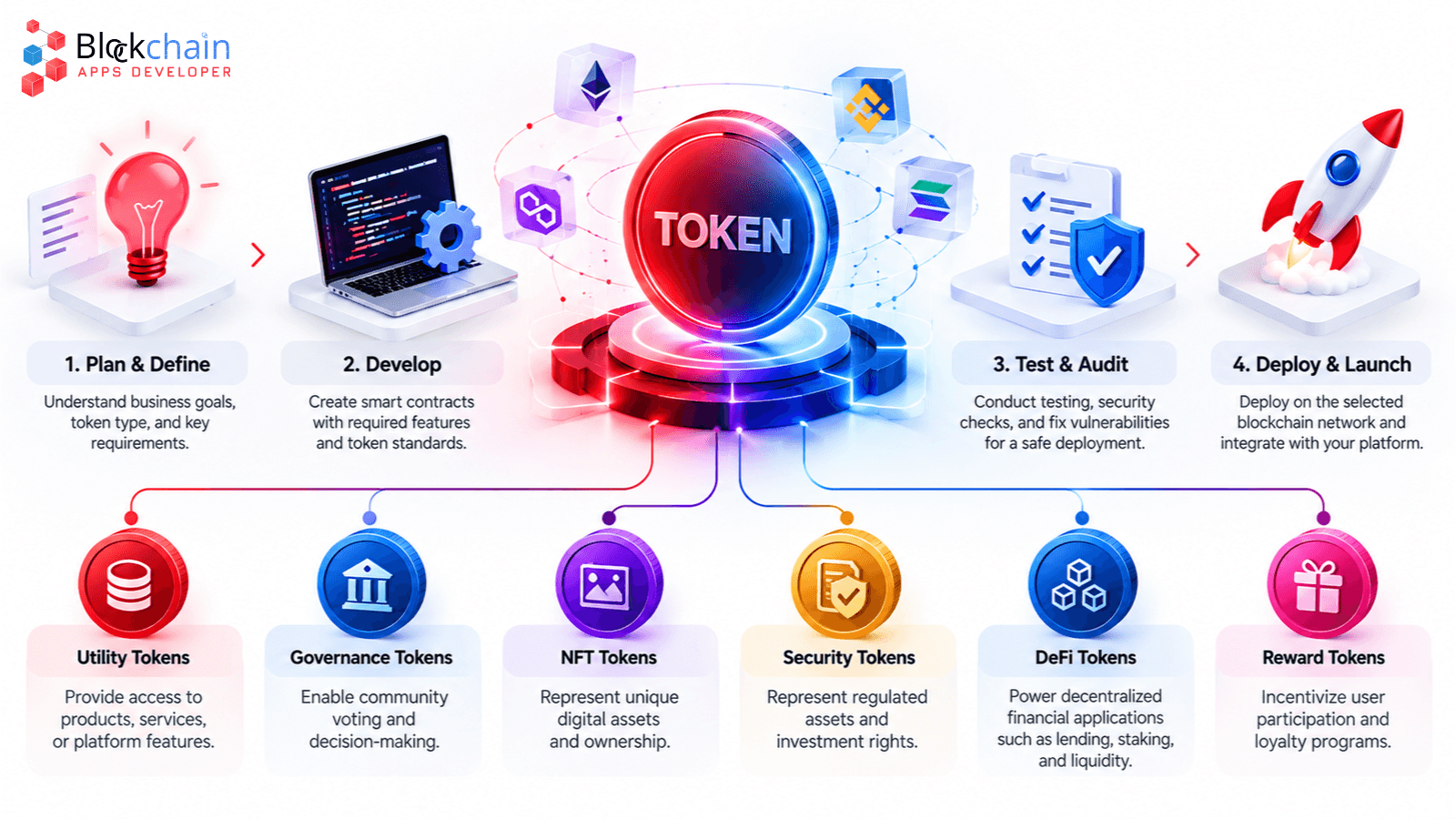
Unlike cryptocurrencies operating on their own blockchain networks, many tokens are developed using existing networks such as Ethereum, BNB Smart Chain, Polygon, and Solana.
These tokens can support digital payments, platform access, community governance, loyalty programs, and decentralized financial applications.
Types of Crypto Tokens Businesses Can Develop
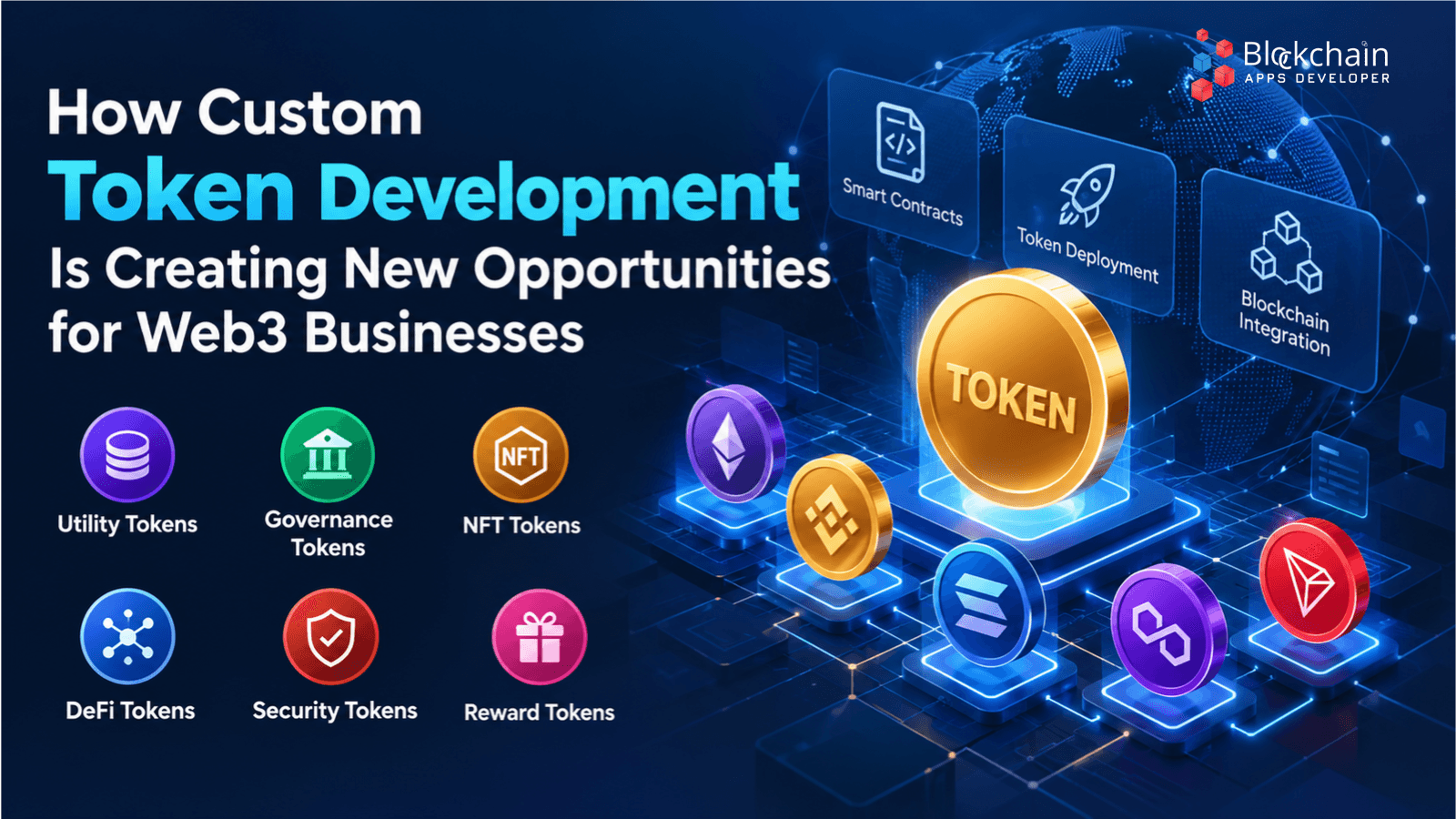
Utility Tokens
Utility tokens provide access to services, applications, or features within a blockchain ecosystem. Businesses can use them for platform memberships, transaction payments, and service access.
Governance Tokens
Governance tokens enable eligible holders to participate in decentralized decision-making. They can support voting on protocol upgrades, proposals, and community initiatives.
Security Tokens
Security tokens can represent regulated financial interests or investment rights. Their development requires careful consideration of applicable securities laws and compliance requirements.
DeFi Tokens
DeFi tokens are used within decentralized financial applications, including lending platforms, liquidity protocols, and staking ecosystems.
Reward Tokens
Reward tokens help businesses create blockchain-based loyalty programs, incentivize participation, and encourage customer engagement.
Essential Features of a Custom Crypto Token
Businesses developing digital tokens should consider the technical features required for their intended use.
Common features include:
Token Minting and Burning: Control token creation and removal according to defined rules.
Token Vesting: Schedule token distribution for teams, investors, or community participants.
Supply Management: Establish fixed, capped, or adjustable token supplies.
Governance Mechanisms: Enable token-based voting and proposal management.
Wallet Integration: Support compatible wallets and blockchain applications.
Access Controls: Define permissions for sensitive token operations.
The right combination of features depends on the token's purpose, network, and operational requirements.
How Businesses Use Token Development
Custom tokens can support several business models.
Gaming platforms can use tokens for in-game economies and rewards. Web3 communities can introduce governance tokens for decentralized participation. Digital marketplaces can use tokens for platform-specific transactions, while loyalty programs can reward customers with blockchain-based assets.
Businesses can also explore tokenized asset models, provided the underlying ownership rights, technical architecture, and regulatory requirements are clearly established.
Why Security Matters in Token Development
Token security begins with smart contract architecture and continues through testing, deployment, and ongoing monitoring.
Developers should evaluate access permissions, token supply controls, contract interactions, and potential vulnerabilities before launching a token.
Smart contract testing and independent security reviews can help identify risks, although no review can guarantee complete protection.
Choosing the Right Token Development Partner
A suitable development partner should understand blockchain networks, token standards, smart contract development, security practices, and deployment requirements.
Blockchain Apps Developer offers token development services for businesses exploring utility tokens, governance tokens, DeFi tokens, and other digital asset applications.
A clearly defined token purpose, appropriate technical architecture, and structured development process can help businesses build blockchain solutions that meet their operational goals.
Conclusion
Custom token development is becoming an important consideration for businesses building Web3 applications and digital asset ecosystems.
Whether developing a utility token, governance token, or reward system, businesses should focus on practical functionality, security, and long-term maintainability.
With a well-defined use case and appropriate development expertise, blockchain tokens can support new forms of digital interaction and business operations.