Construction sites are undergoing changes as advanced lifting technologies raise safety standards. New glass lifter systems employ sensors and improved controls to address common site risks. These innovations aim to reduce hazards while increasing precision and confidence in operations.
Handling large panels now requires greater accuracy to safeguard both equipment and site staff. In recent years, glass lifter tools have been developed to meet higher safety requirements, largely because façade elements have become larger and more complex. There are risks such as unstable loads, limited visibility, tight schedules, and communication errors, all of which can increase the likelihood of accidents. Integrating more advanced tools addresses these concerns, making it easier to maintain safety during the handling of substantial glass and panel installations.
Modern handling developments improve site precision
With panels growing in size and weight, traditional manual techniques are often inadequate. Advanced lifting solutions offer enhanced load control, lessening reliance on manual adjustments and hand signaling. As building exteriors become more complex, safely manipulating panels onsite is increasingly important.
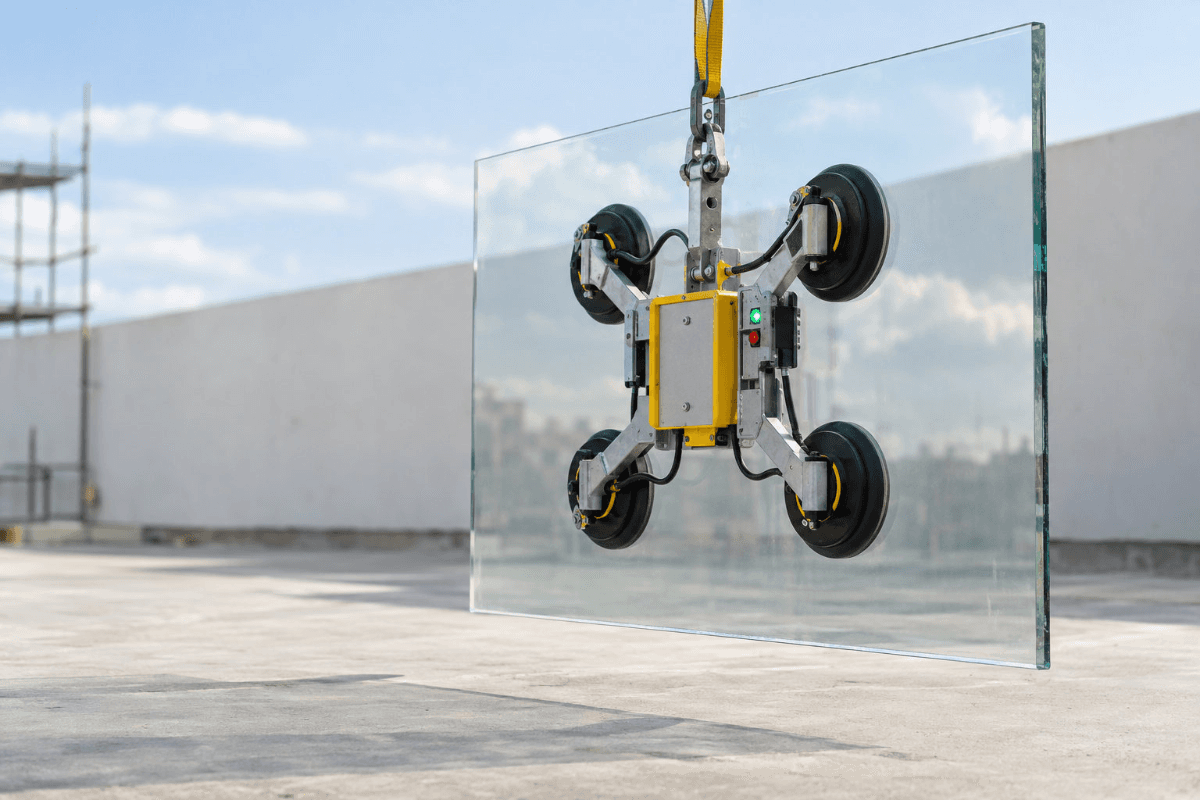
Typical features include vacuum generation units with redundancy, so if one suction element loses performance, backup systems can help maintain attachment. Load sensors monitor real-time tension and attachment quality, allowing users to address issues before they escalate. These enhancements may help prevent rushed movements and support precise panel alignment with less manual effort.
Technology foundations offer tangible safety benefits
Many new glass lifter models feature assisted alignment to help users position panels with greater accuracy and less direct contact. Micro-adjustment systems can reduce the need for hand-guided changes, which supports smoother operation and limits exposure to pinch points or sudden shifts. These features address common patterns where manual corrections can contribute to accidental releases or instability.
Remote operation is another advancement, letting operators work at safer distances without losing control. Glass lifter controls are designed for clearer layouts, better feedback, and safety mechanisms that stop motion if unsafe conditions are detected during use.
Material, power, and digital tools enhance reliability
Frames and chassis in modern glass lifting units are typically lighter yet maintain strength under high loads, which can minimize operator strain and allow for easier movement. Improved batteries may provide more predictable runtime and better performance in cold weather, helping maintain consistent operations despite changing site conditions.
Digital features like event logs and diagnostic systems support the review of incidents or near-misses, which is useful for training and continuous improvement. Built-in maintenance alerts can help prevent component failures by prompting timely service, reducing downtime caused by equipment problems.
Evaluation and planning for on-site deployment
Before introducing new lifting systems, verify they match the site environment, expected loads, and necessary operational redundancy. Reviewing training needs is also important to ensure staff can use new controls and digital interfaces effectively. Proper evaluation is essential to take full advantage of next generation lifting safety features.
Implementing the latest technologies in site procedures can help improve placement accuracy and workflow reliability. This may also reduce exposure to avoidable hazards while supporting the increasing complexity of modern façade construction.